

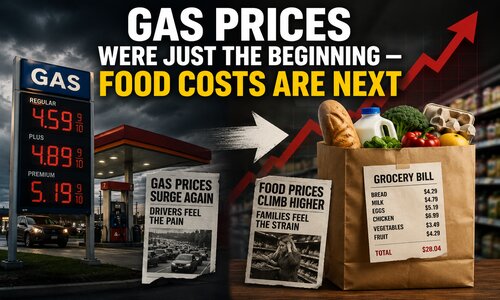
For most people, the price of gasoline is the most obvious consequence of the war in the Middle East. As I write this article, the average price of a gallon of gasoline in the United States is $4.56. Of course in some parts of the country consumers are paying much more than that.
This is a big story, and the truth is that gasoline prices are going to go even higher in the months ahead. But if you think that the price of gasoline is bad, just wait until you see what eventually happens to food prices.
The price of diesel has been rising even faster than the price of regular gasoline, and fertilizer prices have been absolutely skyrocketing. Those costs will get passed along to the rest of us. It is just a matter of time. Meanwhile, our farmers are dealing with drought conditions that are unprecedented and now a “Super El Niño” is coming.
What all of this means is that food prices will rise to very painful levels.
So even though everyone is complaining about rising gasoline prices at the moment, one prominent economist is warning that “the next story is food”…
The cost of food in the U.S. appears poised to rise sharply alongside oil prices, as war-related supply disruptions put pressure on the companies and farmers who keep the country’s shelves stocked.
“The big story right now is oil,” economist Justin Wolfers told MS NOW on Tuesday. “The next story is food.”
Oil prices have risen over 50 percent since the conflict began on February 28, pushing gas prices to a nationwide average of over $4.50 for the first time since 2022.
Can you imagine what would happen if food prices were to rise another 50 percent from current levels?
Over the past year, many of the most common items that Americans purchase at the grocery store have already become much more expensive…
When compared to the same time last year, fruits and vegetables have seen some of the biggest price hikes. Tomatoes are 40% more expensive now than they were this time last year. Bad growing weather, tariffs, and rising fuel prices have all contributed to the huge change in tomato prices, reports the New York Times.
Coffee, another imported product, is 19% more expensive than it was last spring.
You’re also likely seeing inflated prices at the butcher counter. Meat is up 9% overall, but beef has grown even more expensive. Ground beef is about 15% pricier, beef roasts are 18% more, and steak is up 16%.
We can blame the war with Iran for the recent price hikes that we have been experiencing, because the war has made diesel much more expensive.
And diesel is used to transport most of what we eat…
What’s contributing to the price spikes? Fuel prices have soared while the Iran war prevents cargo ships from passing through the Strait of Hormuz, a vital corridor for global oil supplies. Diesel fuel powers fishing boats, tractors and the trucks that ship 83% of U.S. agricultural products.
Just as you’re paying more at the pump, so are truckers who transport goods all around the country. Some vendors and suppliers are adding fuel surcharges to make up for the increased cost of transporting and delivering their goods.
In addition, fertilizer prices have gone absolutely haywire, and those costs will be passed along to us once harvest season arrives.
The solution to this crisis would be for the Strait of Hormuz to reopen.
But Iran isn’t willing to do that.
Read More Here: https://www.prophecynewswatch.com/article.cfm?recent_news_id=10000


Leave a Reply