

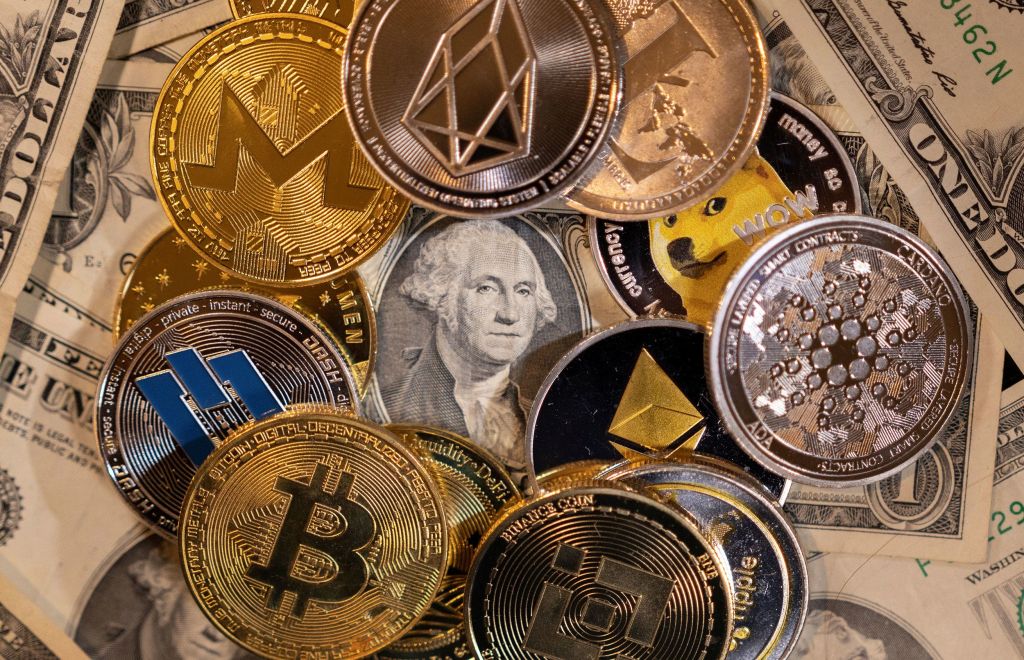
The US is trying to balance high deficits, high debt, and also the need to provide dollars to the world to maintain reserve-currency status
The US dollar has reached a four-year low, having dropped 2.3% in January following a 9% decline in 2025. However, US President Donald Trump seems unfazed by the downturn, calling the level of the greenback “great” in comments on Tuesday.
But Trump’s position on the dollar has hardly been consistent – or even coherent. In July 2025, he said “I will never say I like a low currency,” adding “I’m the person that likes a strong dollar, but a weak dollar makes you a hell of a lot more money.”
What Trump really wants is to have his cake and to eat it too. Trump often equates a strong dollar with national power and prestige and likes its status as the world’s primary currency for trade and transactions. But he would also like a weaker dollar because that makes American goods cheaper to buy abroad, which could provide a boost to his aim of bringing manufacturing back to the US, a pillar of his MAGA platform.
He has previously called an overpriced dollar “a big problem” in the context of reshoring industry and bringing jobs back. On the other hand, a weak dollar raises the cost of imports, thus putting upward pressure on inflation, and Trump is very sensitive to inflation.
A weaker dollar is also consistent with Trump’s stated goals of reducing US trade deficits. Whether reducing trade deficits is even a worthy goal is a completely separate question. But here again, Trump runs into a dilemma – in fact it’s one that has a name: the Triffin Dilemma.
The Triffin Dilemma states that a country that has the world’s reserve currency must run trade deficits because it has to supply that currency to the rest of the world. You want the world to use your currency? Make sure it’s circulating globally in abundance. So the issuing country must export more of its currency than it imports – basically it has to run permanent trade deficits. If the US were to run trade surpluses, dollars would flow back home rather than circulating abroad, thus starving the world of dollars.
China might be on its way to becoming the globe’s economic superpower, but its trade structure (and capital controls) makes it very unlikely the yuan will become the globe’s go-to currency.
So does Trump want to end trade deficits or maintain the status of the dollar? Hard to see how he could have both.
Many analysts think that given the explosion of US debt and deficits, a weaker dollar is essentially inevitable. There are three defining features to the current situation. The US has: (1) large and persistent fiscal deficits now running at around $2 trillion per year; (2) a huge stock of outstanding debt that now stands at over $38.5 trillion; (3) and it issues the global reserve currency. These three features have to somehow be made to work.
So the US is trying to keep borrowing a lot, keep owing a lot, and keep supplying dollars to the world. And it’s trying to do this without crashing the economy or spiking interest rates.
Really, the only release valve for this is a weaker dollar because here is what happens when the dollar strengthens. Dollar-denominated debt outside the US becomes harder to service (and there is a lot of this debt out there), so global borrowers scramble to get ahold of dollars. This creates a shortage of dollars globally. And this pushes the dollar even higher in what can become a negative feedback loop. So an overly strong dollar creates stress abroad as countries have to raise dollars. One way they do that is to sell US Treasuries. However, this has the effect of pushing US yields higher (the bonds lose value so the yield is higher because price and yield move in opposite directions). Higher yields raise borrowing costs for the US government, thus working directly against the goal of financing large deficits cheaply.
Also think about it like this: a strong dollar means US assets are more expensive in local-currency terms so foreign investors hesitate to allocate to dollar assets (such as US debt). So the US ends up with more debt to issue and fewer willing foreign buyers. This means higher yields if the dollar stays too strong – and higher yields are very dangerous for the US financial system as we have seen on many occasions. A strong dollar is therefore ultimately a destabilizing force.
So what Trump is really trying to do is hold these the features listed above together despite the centrifugal forces pulling them apart. How much of that does Trump really understand? Hard to say, but he’s not wrong to embrace a weaker dollar.


 END TIMES PROPHECY WATCH
Leave a comment