

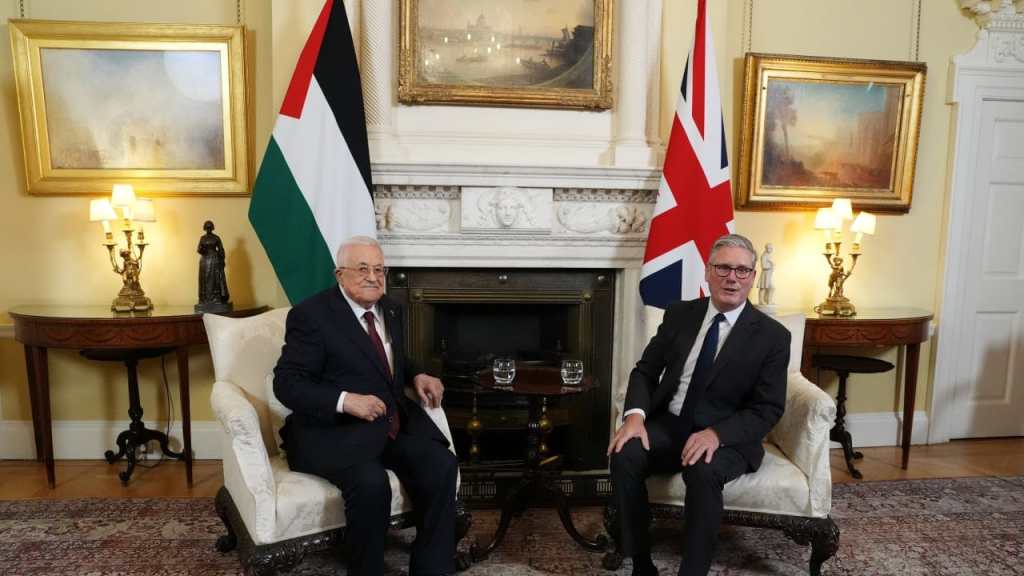
The first bricks are still the same. One authority. One set of laws. One chain of command. If recognition is to be more than a headline, it must become pressure and support in the same paragraph.
Diplomacy loves symbols. A flag raised, a statement read, a line added to a press release. The United Kingdom, Australia, and Canada have now recognized a State of Palestine, and the language is lofty. Recognition, we are told, is a moral correction, a course setting, a nudge toward a future that stubbornly refuses to arrive.
It is tempting to believe that a change in vocabulary can change the world – but it rarely does. The record of one-sided recognition is long, varied, and instructive. Sometimes it confers dignity. Sometimes it hardens lines that were already too rigid. Often, it leaves the underlying dispute untouched.
Begin with the most relevant precedent. In 2014, Sweden became the first major European Union country to recognize Palestine. The gesture was meant to encourage negotiations and to signal impatience with drift.
The applause lasted a week. But reality didn’t change whatsoever. No elections, no unified Palestinian authority, no monopoly on force, no borders, no peace. A decade later, the Swedish move reads like a statement from an alternative timeline. It mattered symbolically, which is not nothing, but it did not move the conflict an inch.
What are the effects of recognizing a state?
It turns out this isn’t just a Middle Eastern phenomenon: Kosovo declared independence in 2008 and collected recognition at a quick pace. The United States recognized it. Most of the European Union did as well. The International Court of Justice said the declaration did not violate international law. Yet Serbia refused to accept it, Russia and China blocked entry into the United Nations, and five EU members still say no.


 END TIMES PROPHECY WATCH
Leave a comment