

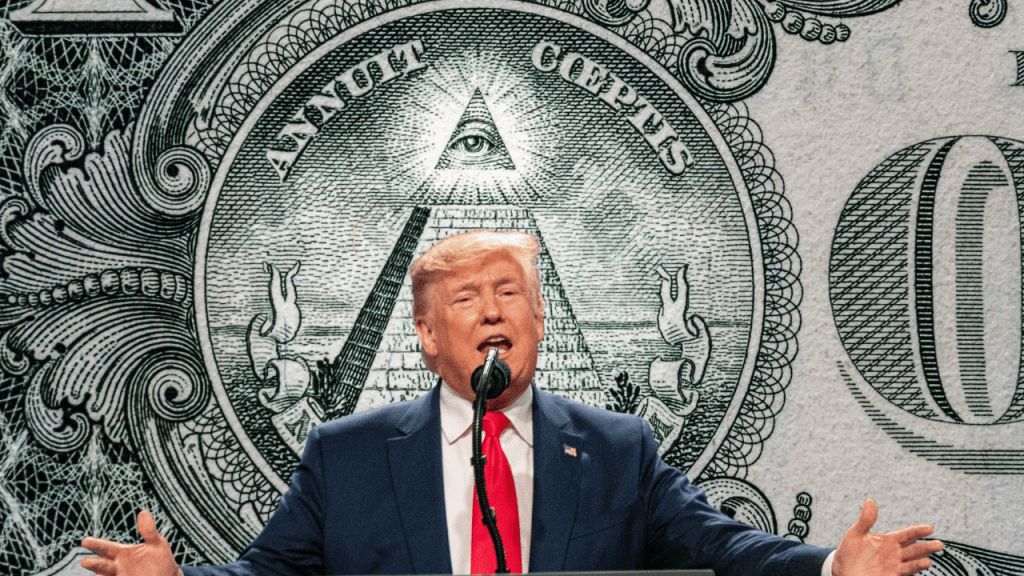
Six months into President Donald Trump’s second administration, national security elites at the annual Aspen Security Forum have accepted that this president has irrevocably upended the global order.
Against the backdrop of the leafy Aspen Meadows Resort, former and current U.S. and foreign officials, business leaders and analysts acknowledged publicly and privately that the Trump administration has dealt a lasting blow to much of the post-World War II consensus around free trade and long-term cooperation.
“We have to recognize that we’re probably not going back to exactly that system,” former Secretary of State Condoleezza Rice said at the closing panel of the summit. Rice is a co-chair of the Aspen Strategy Group, which puts on the annual Rocky Mountains national security confab.
Her words reflect the striking efficacy of the second Trump administration, which in its first six months has taken a sledgehammer to the norms and conventions that governed U.S. trade relations, use of military force and engagement with stalwart partners and alliances. It has also overseen the elimination of agencies that handle foreign policy tasks — most notably the now-defunct U.S. Agency for International Development — and slashed staff within the intelligence community, the Pentagon and the State Department.
The administration has said these moves are necessary to create a more focused and effective foreign policy process that can prioritize American interests above all. But its critics have said the U.S. is reducing its ability to respond to crises, losing its credibility with allies and undermining the global economy by taking such a pugilistic approach to policy.
Either way, attendees at Aspen are trying to adjust to an America First world order.
The first time Trump was president, the national security establishment started out thinking they could influence his policy, and then assumed his policy moves could be easily reversed once he left office. Now that same group is struggling to come up with strategies to influence even on the edges, especially when the administration doesn’t want to be part of the conversation.
The day before the conference was scheduled to start, the Pentagon pulled its speakers, calling the conference a “den of globalists” that didn’t match the administration’s values.
In the end, only one administration official attended the conference: Adam Boehler, Trump’s special envoy for hostage release. The other non-Pentagon official who’d been slated to speak — U.S. Ambassador to Turkey and Syria envoy Tom Barrack — withdrew following Israel’s Wednesday strikes on Syria.
Boehler participated in a convivial on-stage interview with CNN anchor Kaitlan Collins where he outlined how the Trump team addressed conflicting portfolios and argued the administration is moving in lock step to achieve key priorities, including freeing Americans held hostage by rogue regimes and actors around the world.


 END TIMES PROPHECY WATCH
Leave a comment