

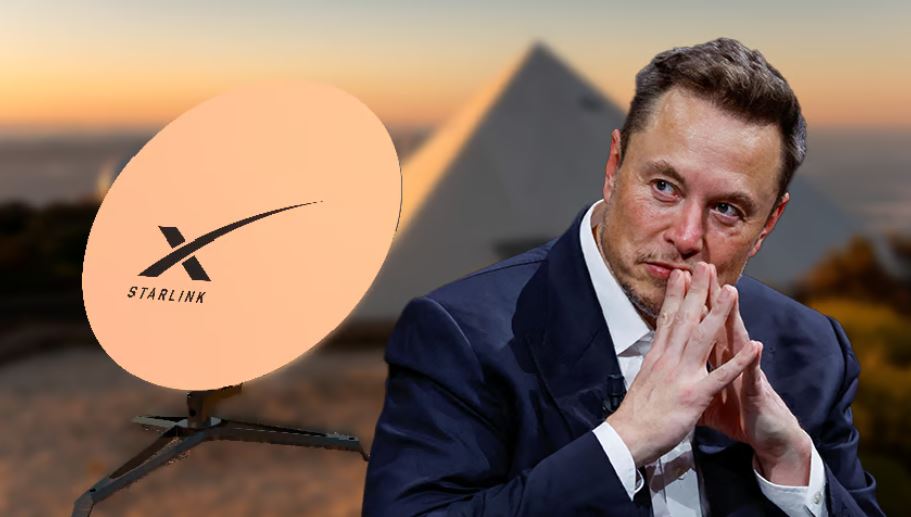
In 2022, shortly after Russia invaded Ukraine, urgent requests landed on Elon Musk’s desk, not for tanks, not for ammunition, but for internet access. Within days, Musk deployed dozens of Starlink satellites over Ukraine, enabling the military, civilians and government officials to stay connected even as Russian forces sought to sever their communications.
At that moment, without firing a single shot or passing through any official diplomatic channel, Musk became a player in the sovereign arena.
Three years later, it’s happening again, this time, over Iran. Amid rising tensions between Tehran and Jerusalem and the specter of direct military conflict, Musk activated the Starlink system over Iranian skies.
Officially, the move was intended to provide uncensored internet access to Iranian citizens, allowing them to receive information free of state control. But in effect, it was a first-tier geopolitical maneuver, a private individual, leading a tech conglomerate, made a decision that would affect millions, destabilize delicate political structures and undermine the very capacity of a state to control information.


 END TIMES PROPHECY WATCH
Leave a comment