

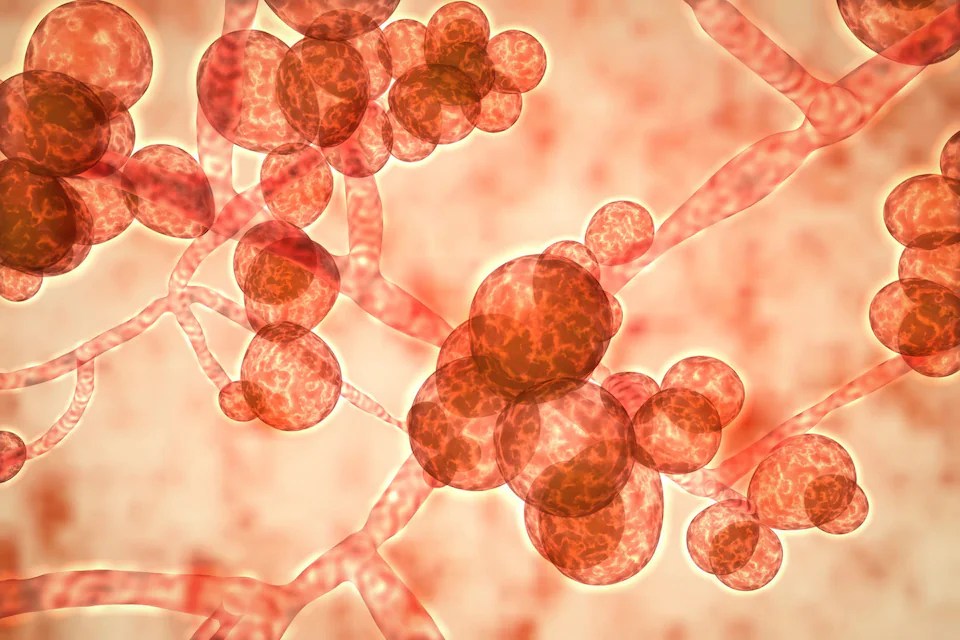
Blood congealed “like black sausage”, sexually-transmitted athlete’s foot, and bloodstream-born pathogens untreatable with existing drugs. These are the kinds of fungal infections Professor Darius Armstrong-James, Infectious Diseases and Medical Mycology at Imperial College London, is used to treating.
“Probably about a third of the world is infected by some kind of fungus,” says Prof Armstrong-James, “mostly skin, mucocutaneous, vaginal candidiasis, athlete’s foot. Those kinds of fungi that aren’t deadly but they are increasing in resistance”.
More lethal fungal varieties are spreading too: invasive fungal infections are killing an estimated 2.5 million people each year – twice the global fatalities of tuberculosis.
The world remains critically underprepared for fungal infections, the World Health Organization (WHO) warned this week, with a lack of diagnostic tests, effective treatments, and surveillance creating an urgent need for research.
But how serious is the problem?
The WHO’s fungal priority pathogens list, compiled in response to this rising public health threat, is an itch-inducing read.
‘Critical priority’ fungi with mortality rates of up to 88 per cent take the top spots.
“Black fungus” or Mucormycosis, which turns tissue into black lesions, made headlines during the Covid-19 pandemic when 51,000 cases were reported in India.
“It invades very often through the nose, and then it can get into the eyes […] down the optic nerve into the brainstem and kills you,” Prof Armstrong-James told the Telegraph.
“We have to give [patients] all the strongest drugs we can find…cut out all of the infected tissue which often means major surgery to the face and half their brain”.


 END TIMES PROPHECY WATCH
Leave a comment