

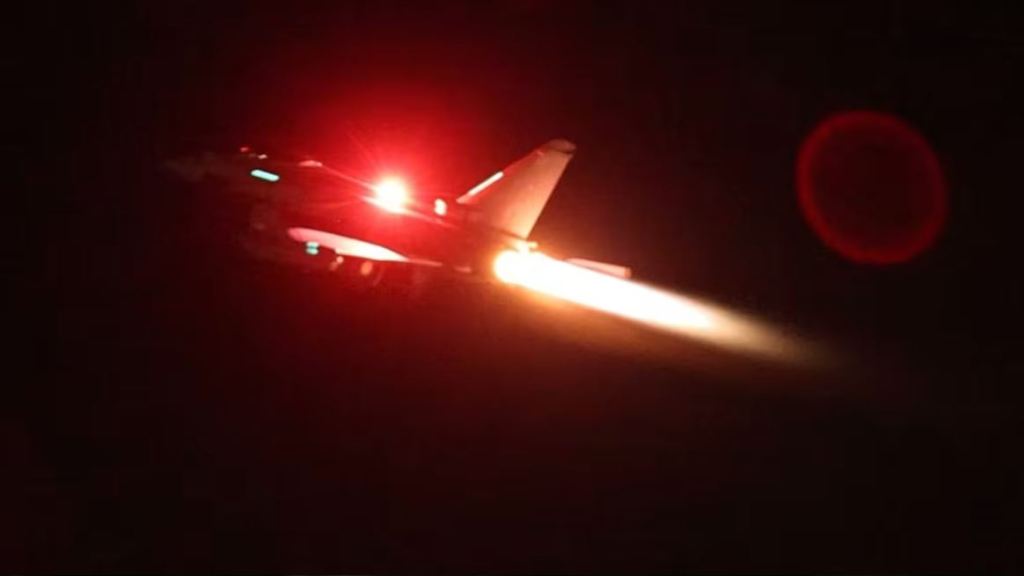
Oil prices settled Friday at their highest in a week after the U.S. and U.K. carried out airstrikes against Houthi rebel targets in Yemen in retaliation for persistent attacks on ships in the Red Sea drove fresh jitters over potential supply disruption.
Strength in oil Friday, however, wasn’t enough to erase a loss in prices for the week.
Market drivers
Current oil prices do “not reflect a geopolitical risk premium, so prices could rise to over $80 per barrel should tensions in the Middle East continue to escalate,” Rob Thummel, senior portfolio manager and managing director of Tortoise, said in emailed commentary Friday.
U.S. benchmark prices remain below that key price level, but global benchmark crude touched highs above $80 during Friday’s trading.
In a bid to deter further attacks on ships in the Red Sea, U.S. and British forces on Thursday carried out joint strikes on more than a dozen targets in Yemen used by Iranian-backed Houthis.
The Houthi rebels, who began their attacks after war broke out between Israel and Hamas last year, launched their biggest barrage yet of missiles and drones at Red Sea shipping vessels this week. The Red Sea links the Middle East and Asia to Europe via the Suez Canal and the narrow Bab el-Mandeb Strait, where an estimated $1 trillion of goods pass through each year.


 END TIMES PROPHECY WATCH
Leave a comment