

This feature is powered by text-to-speech technology. Want to see it on more articles?
Give your feedback below or email audiofeedback@marketwatch.com.
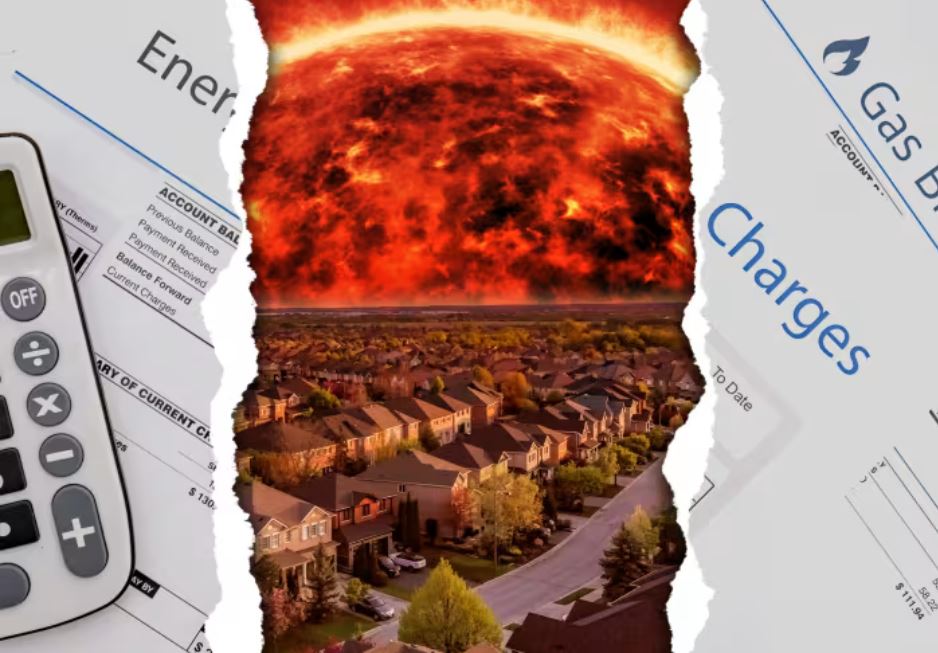
It’s official — 2023 was the hottest year on record. For millions of households, that likely meant higher utility bills and home-insurance costs.
Last year was the warmest year in global temperature data records going back to 1850, the Copernicus Climate Change Service said. The average global temperature in 2023 was 14.98 degrees Celsius — or 58 degrees Fahrenheit — which is 0.17 degrees higher than the previous peak in 2016.
In particular, July and August 2023 were the warmest two months on record, the organization said.
For homeowners, those higher temperatures can mean higher bills, especially utilities and home-insurance costs.
“Summer cooling costs are not coming down just because temperatures are continuing to get hotter,” Mark Wolfe, executive director of the National Energy Assistance Directors Association, told MarketWatch.
Many organizations, including the U.S. Energy Information Administration, had forecasted that hotter weather would result in higher electricity consumption as more Americans tap on air conditioning to keep them cool. More energy used results in higher bills.
At the same time, homeowners have also seen home-insurance costs rise, due to the increasing incidence of climate change-related disasters, such as wildfires and floods.
For lower-income families, the double whammy of rising home-insurance costs and utility bills likely hit their household budgets a lot harder than higher-income households, Wolfe said.
Rising costs have also pushed some households into debt, Wolfe said. Before the pandemic, families were behind on $17 billion in utility bills. The most recent estimate for 2023 was $20.3 billion.
“Families are falling behind on their utility bills,” Wolfe said. “My concern is that people are falling behind on their utility bills and getting into debt, and federal funding to help them is going down.”
The federal government provided $6 billion in assistance to households to pay their energy costs in 2023 under the Low Income Home Energy Assistance Program, but that’s down from the $8.3 billion provided in 2022, Wolfe noted.


 END TIMES PROPHECY WATCH
Leave a comment